Our guides
Is the Eiffel Tower safe?
Is the Eiffel Tower safe? What foreign ministries say about the tower and the Trocadéro, plus the 2025 police figures for the 7th, 15th and 16th. Checked October 2026.
“Is the Eiffel Tower safe” can mean two things: the monument and its crowds, or the area around it as a place to sleep. The sources answer the first better than the second. We give both, with the 2025 police statistics for the three arrondissements that touch the tower: the 7th, where it stands at the north-west corner, the 15th across the Grenelle side and the 16th, on the Trocadéro bank.
The tower and the Trocadéro
The Japanese foreign ministry describes theft around the tower, and the UK Foreign Office does not name the tower at all. The Japanese sheet (updated 22 May 2026) names the tower and the Trocadéro gardens among the Paris sites where pickpocketing, bag snatching and theft of bags put down are frequent. It adds the bonneteau, a rigged cup game run with accomplices, with thefts from the people watching; the sheet does not locate it precisely. The UK advice (11 August 2026) is to warn of pickpockets in the metro, the RER and big stations, and not to let yourself be distracted near tourist sites and cash machines.
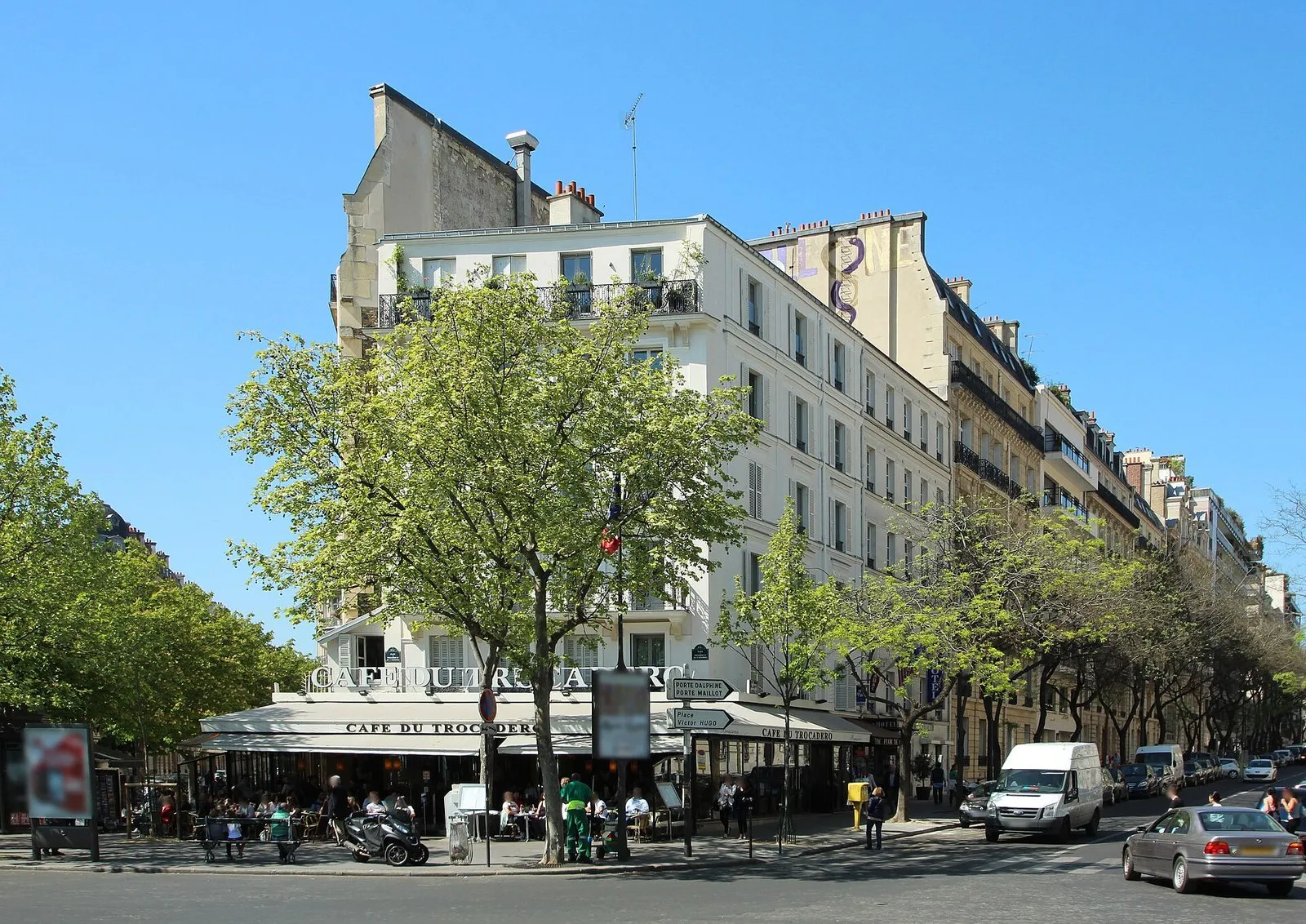
Photo: Lionel Allorge, CC BY-SA 3.0, via Wikimedia Commons

On the site itself, the forecourt under the tower has been closed to free circulation since 2016, and a bulletproof glass enclosure was added on two sides in 2018. The source is Wikipedia, so treat it as probable.
The figures for the three arrondissements, 2025
Rates from SSMSI, the interior ministry’s statistics service. The raw counts are 205, 124, 2,226 and 260 offences for the 7th, 865, 335, 5,741 and 956 for the 15th, and 434, 332, 4,586 and 621 for the 16th, in the table’s order.
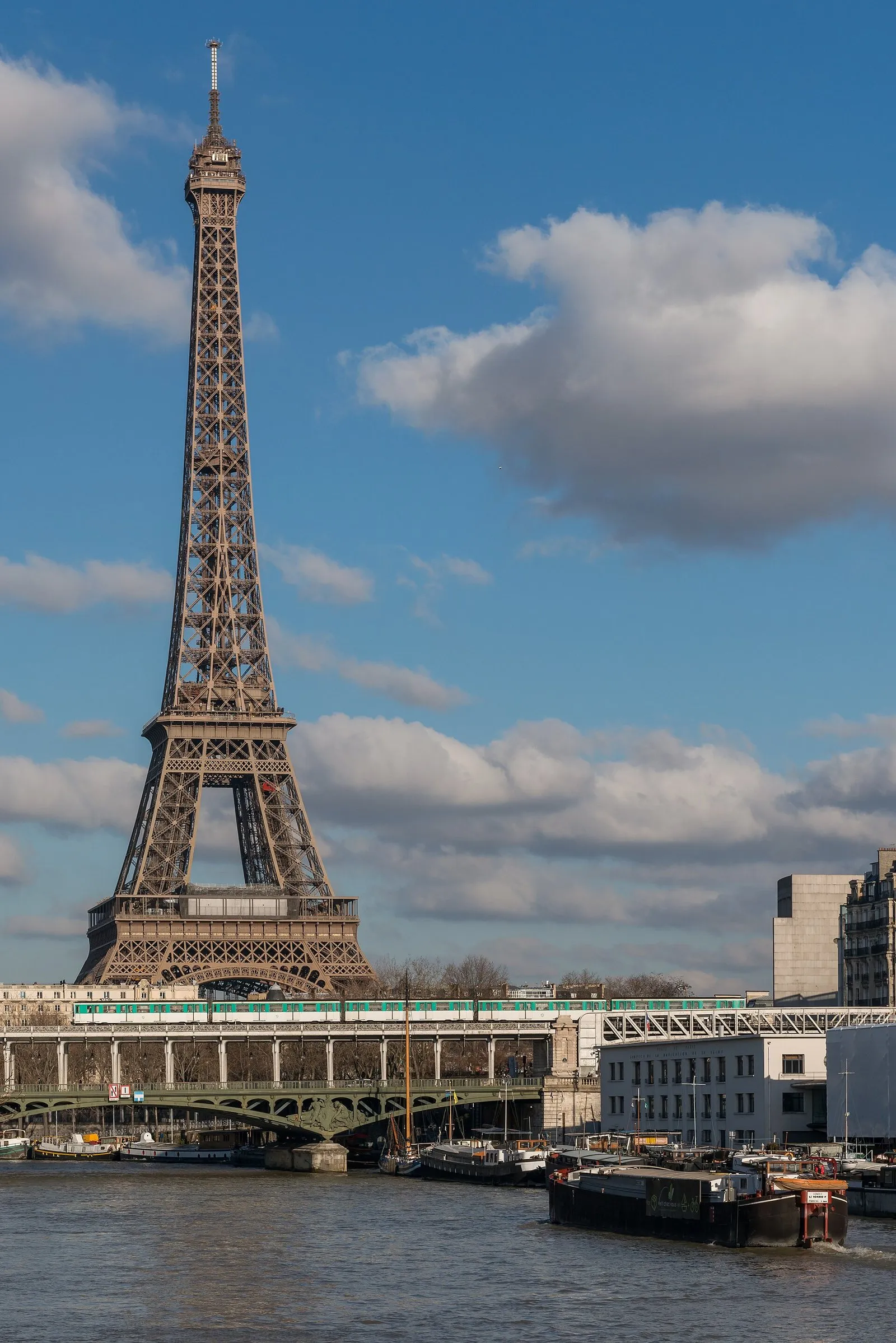
Photo: DXR, CC BY-SA 3.0, via Wikimedia Commons

| Offence, rate per 1,000 residents | 7th | 15th | 16th | Paris |
|---|---|---|---|---|
| Physical violence outside the family | 4.3 | 3.8 | 2.7 | 5.3 |
| Violent theft without a weapon | 2.6 | 1.5 | 2.1 | 3.5 |
| Theft without violence against persons | 46.4 | 25.0 | 28.8 | 45.1 |
| Home burglary | 6.6 | 6.3 | 6.0 | 5.1 |
On physical violence and violent theft, all three arrondissements sit below the city rate. On theft without violence the 15th and 16th are below it and the 7th is just above (46.4 against 45.1). Home burglary is the exception: 6.0 to 6.6 against 5.1 for Paris. The rates are per 1,000 inhabitants and do not count visitors: the base records offences by place of commission, but its denominator is the resident population, so the figures say little about the foot of the monument. They do not rank the three arrondissements by safety.
The area at night
No official source we read points to a street to avoid at night in the 7th or in the north of the 15th. No source we read describes notable nightlife around the Champ-de-Mars either, only restaurants and brasseries; Thoumieux serves until 11 pm. The quai Branly museum is open until 10 pm on Thursdays. The 7th is described, in the sources behind our data, as a central, prestigious and wealthy district that houses the National Assembly, Matignon, the Invalides, ministries and embassies.
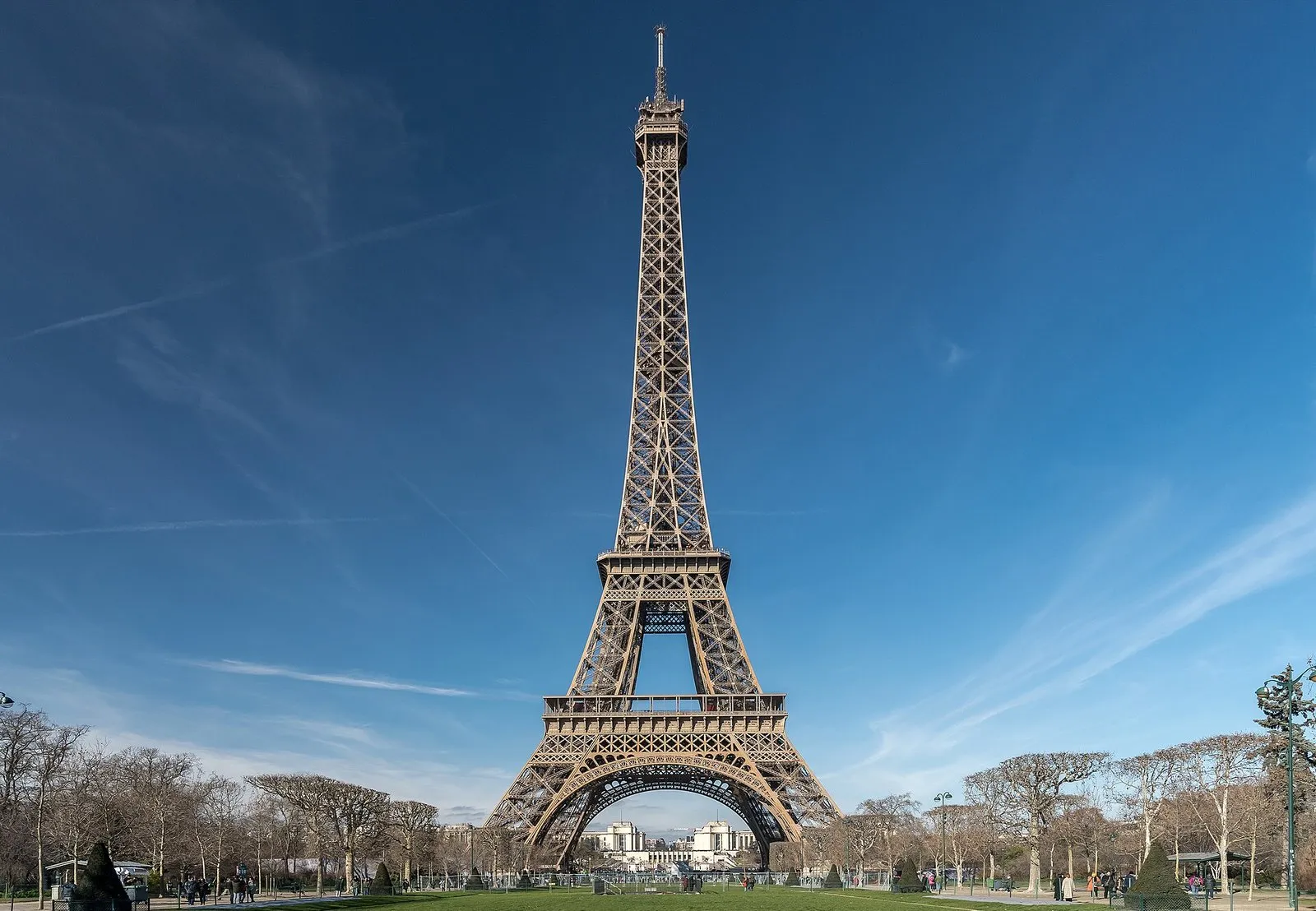
Photo: Alexandre Prévot, CC BY-SA 2.0, via Wikimedia Commons

Choosing where to sleep
The nearest lines are line 6 (Bir-Hakeim, Dupleix, La Motte-Picquet–Grenelle), line 8 (École Militaire, La Tour-Maubourg) and RER C at Champ de Mars. There is no direct line to either airport. For the hotels, see hotels near the Eiffel Tower, the 7th arrondissement, the 15th and the 16th. To read the same figures for every arrondissement, see the safest area to stay in Paris.