Our guides
Is the Opéra area of Paris safe?
Is Opéra, Paris, safe? The Opéra district straddles the 2nd and 9th arrondissements: their 2025 police figures, the crowd effect and official travel advice. Checked October 2026.
The Opéra area is not an arrondissement. The area people mean by “Opéra” runs from the department stores of boulevard Haussmann to the Grands Boulevards, taking in the whole of the 2nd arrondissement and the southern part of the 9th. The police statistics follow arrondissements, so this page gives both, then what foreign ministries say, then what the evidence leaves unanswered.
Figures for the 2nd and 9th, 2025
The rates below come from SSMSI, the interior ministry’s statistics service.
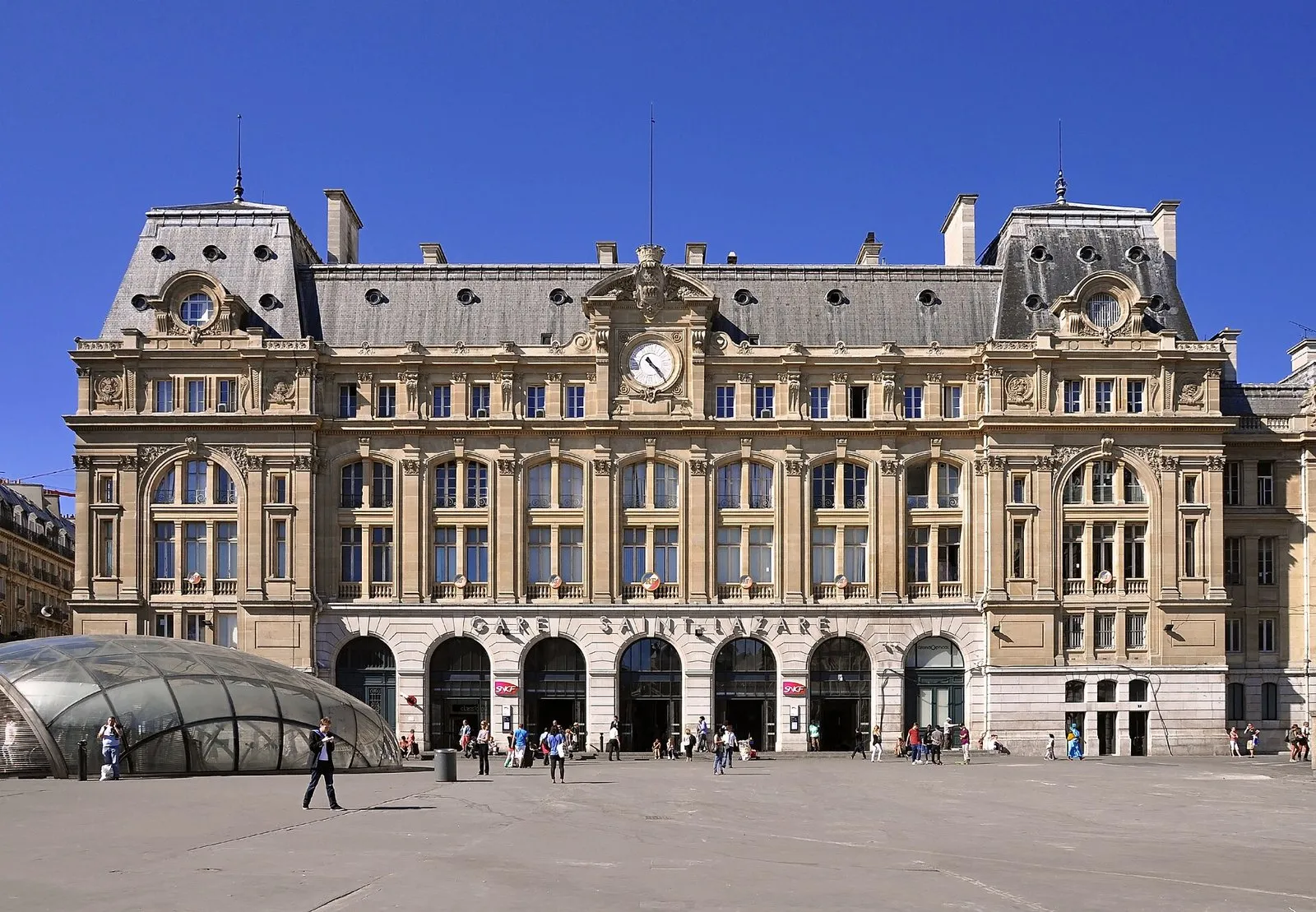
Photo: Moonik, CC BY-SA 3.0, via Wikimedia Commons

| Per 1,000 residents, 2025 | 2nd | 9th |
|---|---|---|
| Physical violence outside the family | 8.1 (161 cases) | 5.5 (314 cases) |
| Violent theft without a weapon | 7.3 (145 cases) | 6.1 (350 cases) |
| Theft without violence against persons | 118.0 (2,341 cases) | 88.7 (5,078 cases) |
| Home burglary | 7.2 (125 cases) | 3.4 (139 cases) |
For comparison, the whole city reads 5.3, 3.5, 45.1 and 5.1 on the same four lines. These are rates per 1,000 inhabitants: they do not count visitors, and they are not a ranking of safety.
Both arrondissements are above the city rate for violent theft without a weapon and for theft without violence, the 2nd is well above it for physical violence (8.1 against 5.3) and the 9th just above it (5.5). The 9th is below the city rate for home burglary, at 3.4 against 5.1. On theft without violence, the SSMSI reserve weighs heavily: the rate is calculated on residents, and a district of shops, theatres and offices has many more people present than live there. The base does not say how much of the gap that explains.
The crowd that the rates do not count
Three facts help read the figures. The Galeries Lafayette Haussmann welcome on average 37 million visitors a year, over 100,000 customers a day, on four linked buildings. The district has a dense concentration of protected theatres: the Palais Garnier, the Opéra-Comique, the Grand Rex, the Variétés, the Mogador and the Athénée. And it has 139 classified hotels in the zone (Atout France, 4 October 2026), 65 of them four-star and 56 three-star, the third-largest count of our thirteen areas, after Montparnasse (206, two whole arrondissements) and the Champs-Élysées (154).
Photo: Benchaum, CC BY-SA 3.0, via Wikimedia Commons

What the authorities say
The UK Foreign Office (updated 11 August 2026) describes pickpockets in the metro, the RER and big stations, often in groups where one distracts and the other steals, and reports several serious assaults on the RER B (Roissy, Orly, Gare du Nord) and the RER D (Stade de France). The Japanese foreign ministry (22 May 2026) lists the Eiffel Tower, the Louvre, the Tuileries, the Champs-Élysées and the Trocadéro, and the metro and RER as the main places for thefts, adds bags stolen in restaurants and cafés, and also mentions fake police officers and street games with cups.
Photo: Jebulon, CC0, via Wikimedia Commons

The Opéra, the department stores and the Grands Boulevards are not on those lists. The sources do not say the area is risk-free, and the general warning about big stations covers the nearby Saint-Lazare, although no source names it.
For your stay
The area is served by Opéra (lines 3, 7 and 8), Chaussée d’Antin - La Fayette (7 and 9) and the RER A at Auber. The Palais Garnier’s interior is a protected monument, but its rehearsals cause frequent and unpredictable closures of the auditorium, so check before planning a visit. For hotel choices, see Opéra hotels, the 9th arrondissement list and the 2nd arrondissement list. For the whole-city reading of the figures, see the safest area to stay in Paris.