Our guides
Is the Bastille area in Paris safe?
Is the Bastille area in Paris safe? Place de la Bastille touches three arrondissements, so we give the 2025 police figures for each, plus official travel advice. Checked October 2026.
Place de la Bastille is a junction of three arrondissements, which matters for the question. The July Column stands in the 4th, the Opéra Bastille in the 12th, and rue de Lappe and the rue Oberkampf nightlife in the 11th. The police statistics are published per arrondissement, never for the square. So the honest answer to “is Bastille safe” is a set of three rows of numbers, a reading of what the travel authorities say, and a note on what no one measures.
The figures for the three arrondissements
The table shows the 2025 offences recorded by police and gendarmerie, from the interior ministry’s statistical service (SSMSI), as rates per 1,000 residents (visitors are not counted) with the raw number in brackets. Paris as a whole is the last row.
| Arrondissement | Violence (non-family) | Violent theft | Theft, no violence | Burglary |
|---|---|---|---|---|
| 4th | 6.7 (182) | 4.9 (134) | 93.0 (2,542) | 5.8 (133) |
| 11th | 4.3 (593) | 3.1 (424) | 39.6 (5,476) | 3.0 (306) |
| 12th | 6.6 (909) | 3.8 (522) | 50.1 (6,916) | 3.5 (311) |
| Paris, overall | 5.3 | 3.5 | 45.1 | 5.1 |
Read across, the 11th sits below the city rate for physical violence, violent theft and theft without violence, while the 12th is above it for physical violence and just above for violent theft. The 4th, which includes the column and the Marais side, has a higher theft rate than the 11th or 12th. These are rates per 1,000 residents, which do not count visitors: the number of offences includes those committed against people who do not live there, so a district that receives many visitors reads higher than what its residents experience.
What the travel authorities say
The UK Foreign Office (page updated 11 August 2026) warns of pickpockets in the metro, the RER and big stations, and of drink spiking in bars: buy your own drinks and keep them in view. Its advice for bars and restaurants is to keep your belongings close.
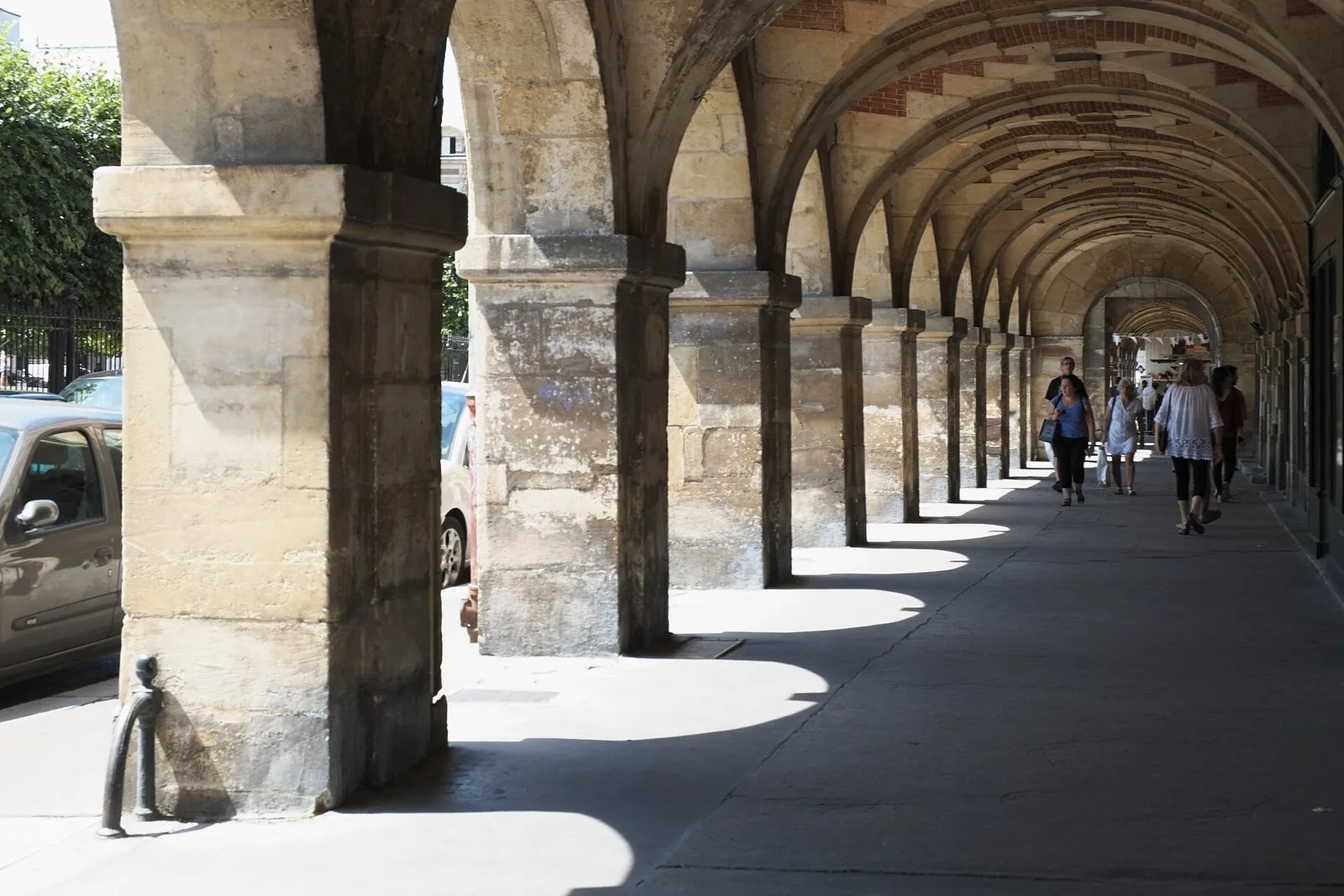
Photo: GFreihalter, CC BY-SA 3.0, via Wikimedia Commons

The Japanese foreign ministry (sheet of 22 May 2026) lists the places where thefts concentrate for its nationals: the Eiffel Tower, the Louvre, the Tuileries, the Champs-Élysées, the Trocadéro, café terraces, the metro and the RER. Bastille is not among them. That does not make it risk-free; it means that the sources we read single out other places.
The nightlife, which no one measures
The sourced facts about the area concern its evenings. Rue Oberkampf became fashionable in the 1990s, with cafés, restaurants, clubs and concert halls, mostly in its eastern half and on rues Saint-Maur and Jean-Pierre-Timbaud. Rue de Lappe, which links rue de la Roquette to rue de Charonne, had 17 dance halls in the 1930s and the Balajo opened at number 9 in 1936. The cultural venues include the Opéra Bastille (2,745 seats in the main hall), the Cirque d’Hiver, the Bataclan and the Atelier des Lumières.
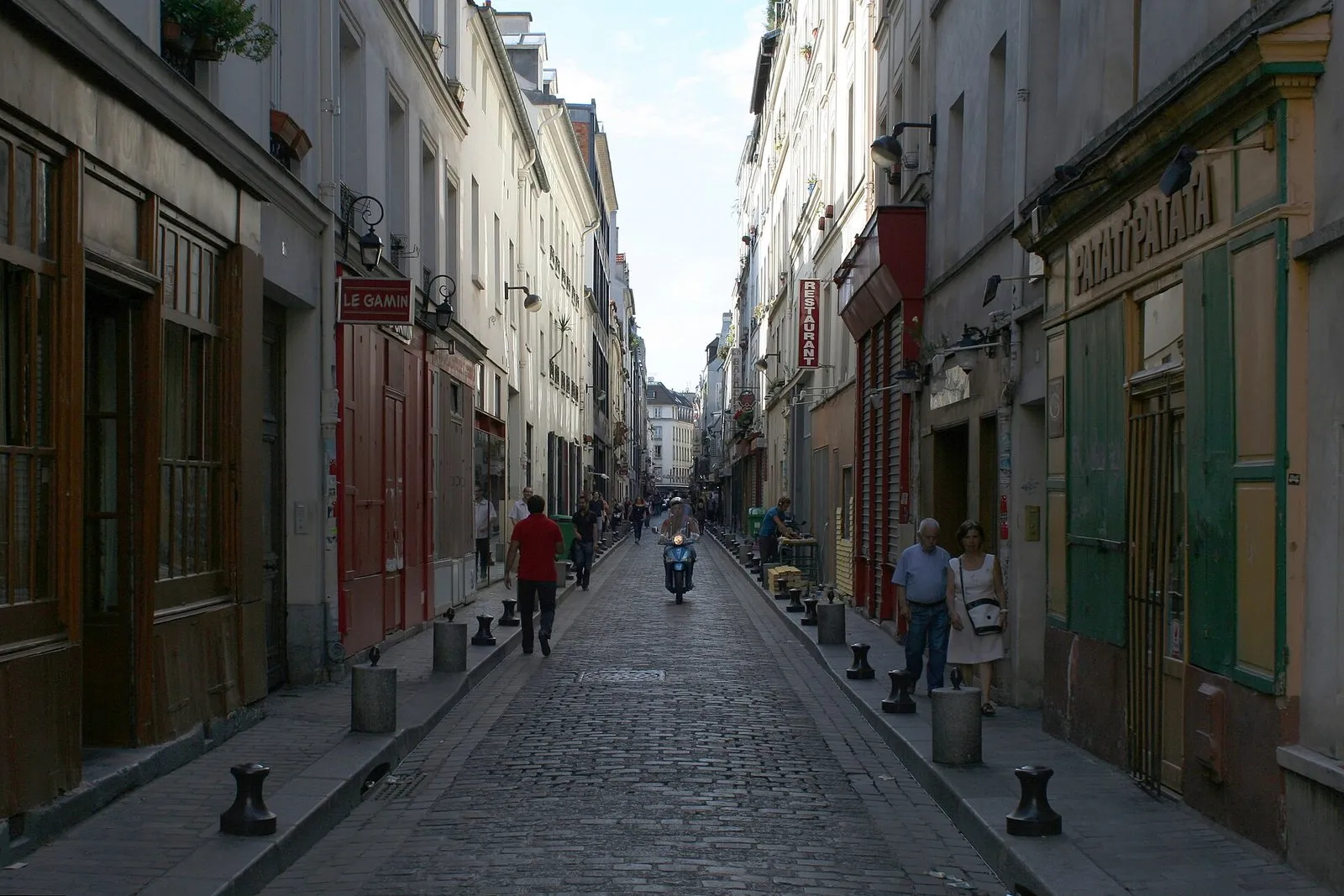
Photo: Coyau, CC BY-SA 3.0, via Wikimedia Commons
.jpg)
We found no official noise measurement by street. The density of bars on rue de Lappe and rue Oberkampf is documented but not measured, so if you sleep lightly, the reasonable test is the room’s side: ask the hotel for a room away from the street.
Choosing a hotel in the area
Bastille station has lines 1, 5 and 8; line 1 runs to the Louvre, Concorde, the Champs-Élysées and La Défense without a change. For the options, see hotels near Bastille and the 11th arrondissement list. For the wider question across the city, areas to avoid in Paris explains what the sources do and do not single out.